

Richest NFL Players of All Time: How Football’s Elite Built Generational Wealth

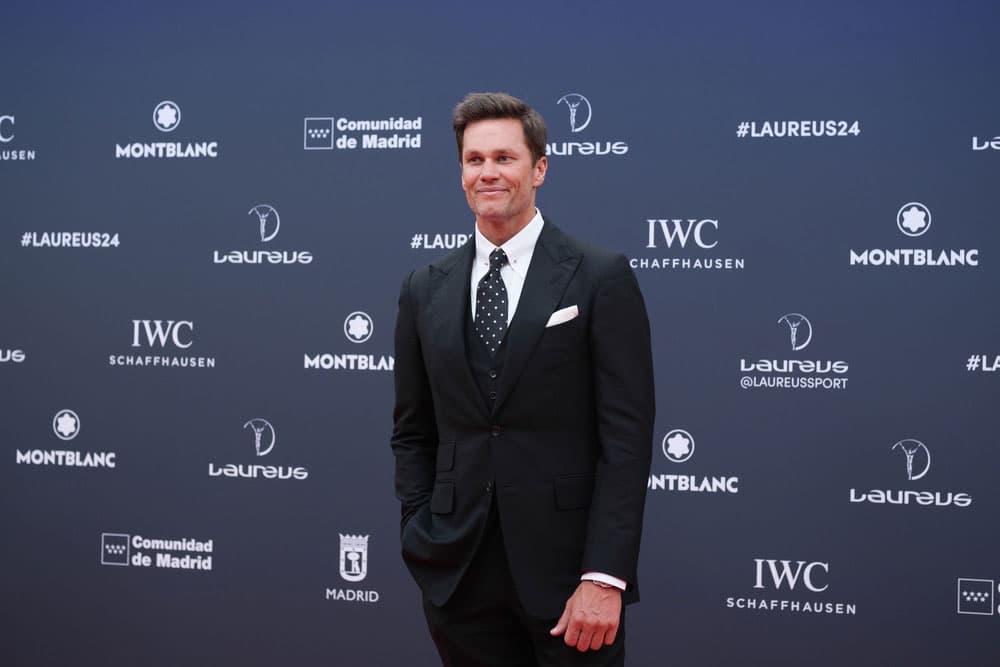
From Quarterbacks to Moguls: 15 Wealthiest NFL Players of All Time: When we talk about the National Football League (NFL), images of roaring crowds, electrifying touchdowns, and billion-dollar TV deals immediately come to mind. But behind the spectacle lies another, equally fascinating story: the staggering fortunes amassed by some of the league’s greatest stars.
For ultra-high-net-worth individuals (UHNWIs), family offices, and institutional investors, the wealth trajectories of these NFL legends offer a case study in brand power, business acumen, and the compounding effect of long-term investments.
Below, CEOWORLD Magazine examines the richest NFL players of all time — and the strategies that transformed them from athletes into financial icons.
- Roger Staubach – $600 Million
The Dallas Cowboys’ Hall of Famer didn’t just win Super Bowls; he mastered the art of business off the field. After retiring in 1979, Staubach built a commercial real estate empire, The Staubach Company, which he later sold to Jones Lang LaSalle for $613 million. His story is a lesson in leveraging professional credibility into entrepreneurial dominance. - Fran Tarkenton – $300 Million
Best known as a Minnesota Vikings quarterback, Tarkenton translated his competitive edge into technology and financial services. He founded multiple software companies and built Tarkenton Financial, a thriving advisory firm. His wealth comes less from his NFL career than his ability to recognize growth industries early. - Tom Brady – $280 Million
Brady’s seven Super Bowl wins cemented his football legacy, but his fortune reflects a mastery of modern athlete branding. TB12, his wellness empire, combined with endorsements from Under Armour, Aston Martin, and FTX (before its collapse), positioned him as a global icon. Brady has also invested in emerging sports like pickleball, showing a knack for cultural timing. - Peyton Manning – $250 Million
The “Sheriff” parlayed his quarterback fame into a lucrative second act. Manning’s Omaha Productions has produced hit shows like ESPN’s “ManningCast,” and his national endorsements (Nationwide, Papa John’s) remain among the most recognizable in sports marketing. - Aaron Rodgers – $200 Million
Rodgers has paired elite quarterback play with savvy investing. From part-ownership in the Milwaukee Bucks to early stakes in tech startups, Rodgers reflects the modern athlete-investor archetype. - Steve Young – $190 Million
Beyond his Hall of Fame career, Young made his fortune in private equity and venture capital. As co-founder of Huntsman Gay Global Capital, Young helped oversee billions in assets under management, showing how elite athletes can transition seamlessly into institutional finance. - Russell Wilson – $165 Million
Wilson embodies the 21st-century quarterback brand. With endorsement deals spanning Nike, Bose, and Mercedes-Benz, plus investments in Why Not You Academy and sports franchises, Wilson blends philanthropy with profit in a way attractive to family offices seeking socially conscious role models. - Kirk Cousins – $162 Million
Cousins’ wealth proves the power of timing and negotiation. Known for securing fully guaranteed contracts — rare in the NFL — he has maximized on-field earnings better than nearly anyone in league history. - Drew Brees – $160 Million
Brees has built his fortune around restaurant franchises (Jimmy John’s, Dunkin’ Donuts) and equity stakes in sports ownership. His career highlights the role of diversification and recurring revenue streams in athlete wealth management. - Eli Manning – $155 Million
The younger Manning brother leveraged both Super Bowl victories and family brand power. With endorsements and real estate plays, Eli demonstrates how reputation and legacy amplify long-term earning potential. - Matthew Stafford – $150 Million
The Los Angeles Rams’ Super Bowl–winning quarterback signed one of the NFL’s largest contracts. Coupled with endorsements and real estate investments, Stafford represents the new generation of players making wealth creation central to their careers. - Joe Montana – $130 Million
Montana transitioned into Silicon Valley with finesse, investing in companies like GitLab and Pinterest. His Liquid 2 Ventures has become a respected VC fund, showing that championship pedigree translates well into startup credibility. - Jared Goff – $100 Million
At just 29, Goff has already secured contracts that put him among the league’s wealthiest. His trajectory underscores how rising stars can parlay peak-earning windows into generational security. - Patrick Mahomes – $95 Million
Mahomes is the face of the NFL’s future — not just on the field, but in business. Mahomes’ $500 million contract is only the start of what could be a billion-dollar portfolio. He owns the Kansas City Royals and Sporting KC, and he has endorsements from Adidas to Oakley. - Travis Kelce – $90 Million
Kelce, arguably the best tight end of all time, has seen his wealth surge thanks to the NFL, endorsement deals, and cultural crossover via his relationship with global superstar Taylor Swift. His story shows how media and cultural relevance accelerate financial clout.
Executive Takeaway: Lessons from NFL Wealth Builders
For CEOs, private equity investors, and UHNW families, these NFL legends reveal three enduring wealth-building principles:
- Leverage Brand Equity: Athletes who converted their fame into business credibility built scalable, lasting wealth.
- Diversify Early: From real estate to venture capital, diversification protected and expanded fortunes.
- Negotiate Strategically: Timing and structure of contracts can create outsized returns in peak earning years.
The richest NFL players of all time are more than sports figures; they’re case studies in wealth creation, risk-taking, and brand management. For investors and business leaders alike, the playbook is clear: in any arena, long-term success requires both discipline and vision.
Have you read?
World’s Most Productive Countries.
Countries by Average Wealth per Person.
Countries With The Most Serial Killers.
Global Mobility and Wealth Security: Why Citizenship by Investment (CBI) and Residency by Investment (RBI) Programs Are Essential for Global Executives and High-Net-Worth Individuals.
Add CEOWORLD magazine as your preferred news source on Google News
Follow CEOWORLD magazine on: Google News, LinkedIn, Twitter, and Facebook.License and Republishing: The views in this article are the author’s own and do not represent CEOWORLD magazine. No part of this material may be copied, shared, or published without the magazine’s prior written permission. For media queries, please contact: info@ceoworld.biz. © CEOWORLD magazine LTD