



Success and resilience share the same DNA: grit, perseverance, and belief in oneself. For leaders at the highest ranks, resilience is a crucial capability. A survey of organizational leaders found that those who rate high in resilience are consistently seen as more effective by their peers, teams, and superiors, especially during times of disruption and uncertainty.
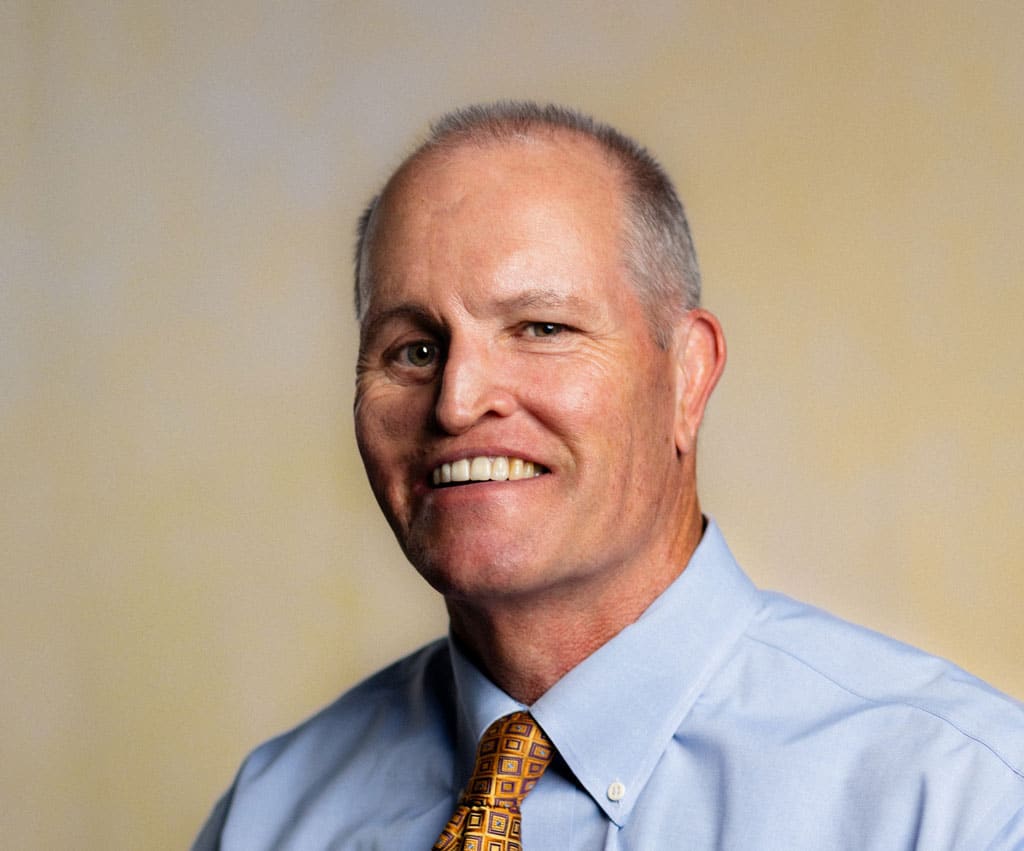
When I was a junior at UC Berkeley, my life was turned upside down when I faced a life-threatening cancer diagnosis that was compounded by a high likelihood of facial disfigurement. In the months ahead, my worst fears became reality when I was forced to confront serious loss: of appearance, confidence, and identity. But these challenges also became the crucible for my growth.
My positive mindset became my superpower and the catalyst for my own resilience. Through a positive mindset, goal-setting, visualization, and leaning on a trusted team, I didn’t just survive, I developed my ability for resilience. I learned that resilience is not something you’re born with, but rather a skill you sharpen through hardship, practice, and choice.
By thirty, I was VP of Marketing. What got me there wasn’t just my intellect; it was emotional intelligence, adaptability, and the ability to empower others even when the outcome wasn’t certain. Over the past four decades, I’ve distilled my learnings into what I call the ReBAR Framework—a tool designed to help leaders build resilience, recover from setbacks, and lead with clarity and confidence.
The ReBAR Framework: 4 Steps to Building Lasting Resilience
1. Reflect.
Daily reflection sharpens self-awareness and fuels growth. Ask yourself:
- What am I grateful for? When you ask this question of yourself daily, the underpinnings of a positive mindset are in reach.
- What did I learn today?
- What can I do differently tomorrow?
Intentional reflection creates the mental space to learn from challenges and recognize progress—essential in high-pressure leadership roles.
2. Build.
You need the right infrastructure to weather tough moments. That means:
- Cultivating a positive, growth-oriented mindset
- Surrounding yourself with a supportive network
- Maintaining balance outside of work
Leaders must invest in their emotional infrastructure the same way they invest in technology or strategy.
3. Act.
When adversity hits, execution matters. Develop the disciplineto:
- Prioritize what’s in your control
- Set achievable, focused goals
- Take consistent steps forward
Resilience is built in the doing. Progress—even small wins—restores confidence and builds momentum.
4. Renew.
This is where growth crystallizes. Ask:
- What did I learn from this experience?
- How has it changed my priorities or perspective?
- How can I build on this growth?
Renewal turns pain into purpose. It’s where setbacks become leadership assets.
Why Resilience Is a Business Imperative
Resilience isn’t just a soft skill—it’s a bottom-line asset. High performers and organizations that thrive under pressure share common traits:
- They learn from failure faster
- They stay focused under stress
- They adapt to changing conditions
- They don’t waste energy on what they can’t control
Think about Howard Schultz, turned down by 200 investors before launching Starbucks. Or Agatha Christie, rejected for five years before finding a publisher. Their success wasn’t just about talent. It was about grit, reflection, and perseverance—the core ingredients of resilience.
In a world where economic uncertainty, organizational change, and cultural headwinds are the norm, resilience gives leaders the capacity to move forward when others stall.
5 Tactics for Building Resilience at Work
If you’re looking to build a more resilient mindset—for yourself or your team—here are five practical takeaways:
- Start with Gratitude
A daily habit of acknowledging what’s going right reconditions the brain to seek opportunities, not threats. Start meetings with a simple “what’s one win from the past week?” - Normalize Failure
Make space for failure as part of learning. Celebrate lessons learned in post-mortems. Reward initiative, not just results. - Simplify Goals
Pick one needle-moving objective in each domain—personal and professional. Remember, if you have too many priorities, your focus will be compromised and it will be harder to recover from setbacks. - Build a Support Ecosystem
You can’t power through everything alone. Create peer groups, mentors, or internal allies who bring perspective and encouragement. - Take Control of What You Can
Double down on what’s in your control—your attitude, your effort, your planning. Let go of the rest. There’s no greater boost than focusing energy on what you can control.
Be the CEO of Your Own Life
I was never the smartest, most athletic, or most confident person, but I had the drive to work hard and smart, and to learn from my failures to find success. Why? Because I made reflection and goalsetting a part of my life. Grit is about having passion and not giving up. People with grit tend to be more hopeful, goal-oriented, and optimistic, and that leads to resilience and the ability to bounce back.
Change often exists outside our control; however, how you respond to it is completely within your control. If we focus on what we can control, like being present and expressing gratitude for all we have, it allows us to develop the mindset for success. Taking control of our lives reinforces our self-belief. Taking control is about attitude, preparation, and the effort we put in to set our course in a direction we desire. Do not allow someone else to set the agenda for you.
As I began to take control of my own life, my perception of myself changed. Over time, instead of looking in the mirror and having moments of disappointment about the way I looked, I began to see battle scars that made me proud of who I was. Those scars do not remind me of my pain but represent my healing and progress. Embrace change and you will gain tremendous wisdom. Remember, change is always an opportunity, not a roadblock.
Add CEOWORLD magazine as your preferred news source on Google News
Follow CEOWORLD magazine on: Google News, LinkedIn, Twitter, and Facebook.License and Republishing: The views in this article are the author’s own and do not represent CEOWORLD magazine. No part of this material may be copied, shared, or published without the magazine’s prior written permission. For media queries, please contact: info@ceoworld.biz. © CEOWORLD magazine LTD