


I know what it means to lead a company full of high producing employees. You would think this is an enviable position to be in, and in most cases, you would be absolutely correct. The tension, however, comes when one of these high producers, who clients love, begins to act out by disrespecting their subordinates, exhibiting incivility to their peers or blatantly flouting the expressed values of the company. If not dealt with, this venomous behavior can destabilize even the most stable of companies.
In talking with other leaders, I find this toxic behavior is often shielded from CEOs, certainly by the offending parties, but often by their colleagues too, who are fully aware of the high performance of the toxic parties. So, the negative behavior continues, unnoticed or ignored, and unchecked by CEOs.
The message this unbridled incivility sends throughout companies may or may not be something CEOs intend, but the consequences of their inaction can wreak havoc on the cultures of the businesses they lead. Through lack of action, leaders are signaling that profits, at all costs, are more important than values and character. There is sadness in the knowledge that many, if not most, companies could see naivety in what you have just read.
But, as leaders, we must ask ourselves the hard questions, “What is the value of my word? Can I be trusted to do what I say and say what I do? Do I keep the promises I make?” After all, these are the characteristics of people WE want to do business with, aren’t they? I would suggest it is safe to assume nobody likes to be lied to. Or perhaps, to put it another way, I doubt anyone likes to be on the receiving end of the phrase, “It’s just business, get over it!”
Those who follow our leadership look to us for answers to these same questions. When we are unaware, or ignore or tolerate the toxic behavior of high producers in our companies, are we not, in essence, saying to our workforce, “It’s just business, get over it?” The fall-out of allowing this breach of trust creates an environment of preoccupation with self-preservation rather than preoccupation with excellence and the ensuing profitability. This self-preservation very often results in good people deciding to leave in order to find a more functional work environment with more opportunity for advancement.
But what is likely to happen if leaders decide to “say goodbye” to toxic high producers? Will the wheels come off? Will customers leave? Do profits plummet? Not so in my experience, nor the many other CEOs who decide that character counts. Once aware of toxicity in our workforce, our responsibility as leaders is to remove it and trust in the greatness that remains.
As with many things in life, our fear of what might happen is very often greater than the reality of the situation. Experience indicates that when a toxic high producer is removed, the sigh of relief within the business is almost audible. The sense of justice and fairness that follows inspires greatness, excellence and profitability while at the same time opening up opportunities for those who have been standing in the wings watching the drama. CEOs who risk the definitive action of removing problem people, high producers though they may be, will be witnesses to a sound we all want to hear, that of a company flourishing.
CEOs who say goodbye to toxic high producers share a common experience. They, almost to the person, find themselves saying, “I should have done this sooner!”
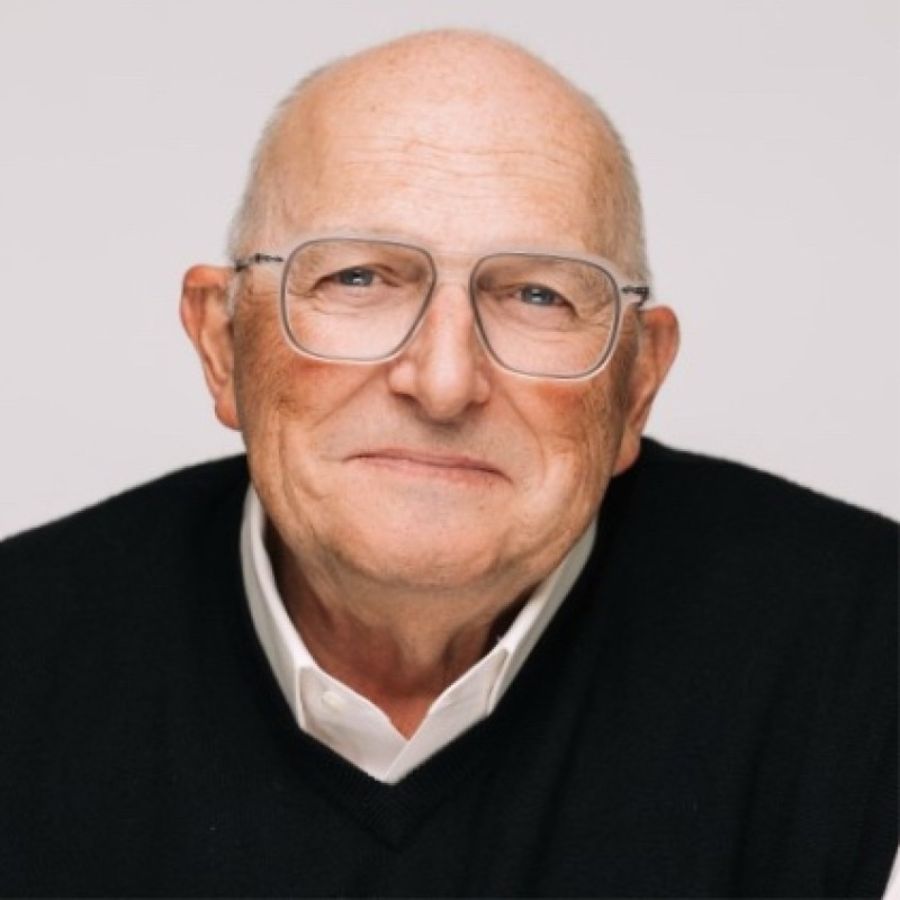
Written by Douglas K. Shaw.
Have you read?
From Visionaries to Victors: Why Acculturation, Not Just Strategy, is the Key to Business Success.
Choose Your Poison?
A new competitive era: NYSE and Nasdaq joining Y’all Street in Texas.
How to Ensure Value in Your AI Investment.
The CEO’s Practical Strategy for Managing Modern Risk and Compliance in 2026.
Add CEOWORLD magazine as your preferred news source on Google News
Follow CEOWORLD magazine on: Google News, LinkedIn, Twitter, and Facebook.License and Republishing: The views in this article are the author’s own and do not represent CEOWORLD magazine. No part of this material may be copied, shared, or published without the magazine’s prior written permission. For media queries, please contact: info@ceoworld.biz. © CEOWORLD magazine LTD