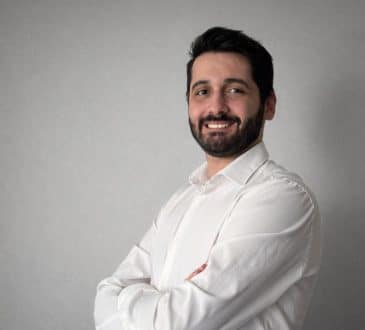




William Lown is an emerging student leader based in Tarrant County, Texas, known for his interest in finance, history, and public service. Raised in New York City, he attended Westminster School in Simsbury, Connecticut, where he earned the Squibb Bowl Sports Award for his performance and discipline. High school life taught him structure, teamwork, and focus. These lessons shaped his approach to his future career.
William continued his studies at Texas Christian University, and also spent this past summer at the London School of Economics Summer School programme. At TCU, he has earned a place on the Dean’s List and is recognised as a TCU Scholar. His academic work reflects his curiosity about the equity market and the links between history and modern financial systems.
His internships form a key part of his development. William Lown has interned at the Victims of Communism organisation, he completed a U.S. Senate internship, and gained experience in investment banking this summer. Each role strengthened his understanding of how policy and economics interact. He views finance not only as numbers, but as a field shaped by historical patterns and human behaviour.
Outside the classroom, William enjoys basketball, tennis, squash, and backgammon. He believes these activities help build concentration and resilience, which he carries into his academic and professional work.
William aims to bridge public service and finance in a way that reflects his values and interests. With his broad experiences and disciplined approach, he is steadily establishing himself as a thoughtful leader for his generation.
A Conversation on Career, Discipline, and Understanding the World Through History and Markets
Q: William, let’s start at the beginning. How did growing up in New York City shape you?
A: Growing up in New York teaches you to move quickly. You are surrounded by people who work hard, so it becomes normal. I think that helped me early on. It made me curious about how things work, especially in business and government.
Q: You later attended Westminster School in Connecticut. What role did boarding school play in your development?
A: Westminster gave me structure. Playing basketball and lacrosse pushed me physically and academically. I won the Squibb Bowl Sports Award, and that meant a lot because it rewarded both attitude and effort. Boarding school also forces you to manage your time and prepares you for larger responsibilities.
Q: What sparked your interest in finance and history?
A: I always liked understanding patterns. History shows you why systems succeed or fail, and the patterns that emerge from that success or failure. Finance shows how those systems operate today. I enjoy connecting the two. It gives you a better sense of the world.
Q: You studied at the London School of Economics Summer School. What was that experience like?
A: London opened my eyes. You meet people from everywhere, its such an international city. It also showed me that good ideas come from many places, not just one country.
Q: You’ve completed several internships. How did your victims-of-communism work influence you?
A: It taught me that history is not distant. People still live with the effects of past systems. I learnt how policy shapes daily life. That experience grounded me. It reminded me that finance and government decisions affect real people.
Q: Your U.S. Senate internship must have been different. What did you learn there?
A: The Senate internship showed me how decisions are made. There is a lot of pressure and a lot of process and negotiation. It taught me patience and attention to detail. You see how laws, markets, and people come together to drive policy and desired outcomes.
Q: And your investment banking internship?
A: Investment banking was fast. You learn to be disciplined quickly. I realised that the skills I learnt in sports—focus, discipline, calm, team work—helped me in finance too.
Q: Looking at your university years, what has TCU added to your growth?
A: TCU gave me a strong community and was in a very different environment than I was used to. Making the Dean’s List and being recognised as a TCU Scholar encouraged me to work even harder. It reminded me to stay consistent. There is a culture of excellence and ambition here, and that motivates you to aim higher.
Q: How would you describe your approach to your future career?
A: I want to understand financial markets, not just numbers. I want to link history and finance to have a deeper understanding of the markets. I’m still learning, but I enjoy the process.
Q: What do you see as the next step for you?
A: I want to keep building skills. More internships, work experience, and education. I focus on improving day by day. My goal is to be prepared when the right opportunity comes.
Q: Finally, what advice would you give students following a path similar to yours?
A: Stay curious. Read history. Watch the financial markets. Play sports. Discipline builds over time. That’s what I’ve learnt so far, and I think it’s a good start.
Add CEOWORLD magazine as your preferred news source on Google News
Follow CEOWORLD magazine on: Google News, LinkedIn, Twitter, and Facebook.License and Republishing: The views in this article are the author’s own and do not represent CEOWORLD magazine. No part of this material may be copied, shared, or published without the magazine’s prior written permission. For media queries, please contact: info@ceoworld.biz. © CEOWORLD magazine LTD