


Strategic Allocation: Bank of America Endorses 4% Crypto Allocation for the Ultra-Wealthy

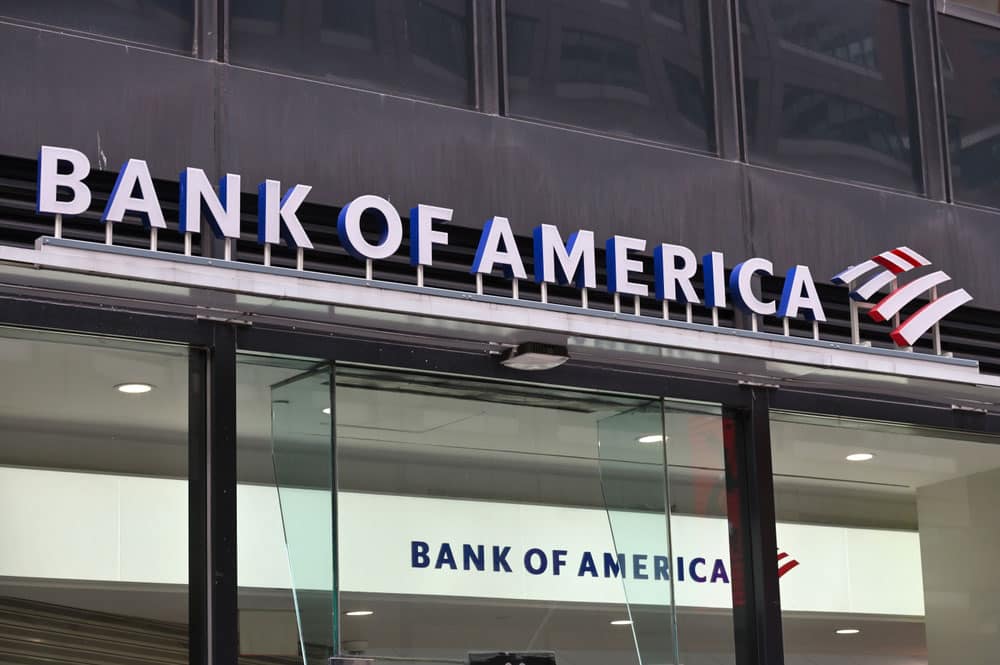
Why Bank of America Is Recommending Crypto for HNWIs
Bank of America (BAC) has endorsed a 1% to 4% portfolio allocation to digital assets for all clients of its Merrill, Bank of America Private Bank, and Merrill Edge platforms, marking a watershed in U.S. institutional wealth management policy. For the first time, more than 15,000 BofA advisers can now formally recommend exposure to regulated crypto vehicles—specifically, four leading spot bitcoin ETFs.
- BofA’s CIO coverage will include Bitwise Bitcoin ETF (BITB), Fidelity Wise Origin Bitcoin Fund (FBTC), Grayscale Bitcoin Mini Trust (BTCM), and BlackRock’s iShares Bitcoin Trust (IBIT).
- All recommendations emphasize liquid, regulated ETFs—no direct token purchase required.
- Shift brings BofA in line with Morgan Stanley, JPMorgan, BlackRock, and other top institutions.
- Analysts suggest even cautious portfolios should consider a 1% allocation to digital assets for true diversification; 4% is targeted for innovation-friendly, risk-tolerant clients.
- The move responds directly to both persistent UHNW client demand and evolving perspectives on alternative assets.
Regulatory Clarity Unlocks Access
Previously, only clients actively seeking digital asset exposure could gain portfolio access. BofA’s network—serving some of the world’s wealthiest families and institutions—was effectively restricted from crypto, pushing clients to other venues for diversified strategies.
Now, starting January 5, 2026, the wealth management giant will cover four key spot bitcoin ETFs—products with more than $94 billion under management—signaling institutional acceptance and the removal of key distribution barriers.
Regulated ETF options bring:
- Institutional-grade custody
- Transparent pricing and tax efficiency
- Greater compliance oversight
“For investors with a strong interest in thematic innovation and comfort with elevated volatility, a modest allocation of 1% to 4% in digital assets could be appropriate,” Chris Hyzy, chief investment officer at Bank of America Private Bank, said in a statement.
“Our guidance emphasizes regulated vehicles, thoughtful allocation, and a clear understanding of both the opportunities and risks.”
“The lower end of this range may be more appropriate for those with a conservative risk profile, while the higher end may suit investors with greater tolerance for overall portfolio risk,” Hyzy added.
“This update reflects growing client demand for access to digital assets,” added Nancy Fahmy, head of Bank of America’s investment solutions group.
Institutional Adoption Accelerates
Wall Street sentiment on cryptocurrencies has shifted from skepticism to practical adoption. In 2024, reports show over 70% of institutional asset managers held digital assets in portfolios—up from less than 10% in 2020. In 2025, more than half of institutional investors planned to allocate over 5% of AUM to crypto-oriented vehicles.
Global institutional crypto allocations are being driven by:
- Regulatory frameworks enabling ETF approvals and broader market integrity
- Expanded custody infrastructure from major platforms
- The desire to generate uncorrelated returns as traditional markets consolidate
- Rapid innovation in tokenized real-world assets (RWAs) and blockchain settlement
What This Means for Modern Portfolio Construction
BofA’s 1–4% crypto allocation framework is not an outlier. Morgan Stanley has issued similar thematic recommendations, while JPMorgan forecasts bitcoin valuations reaching as high as $170,000, and Standard Chartered projects $200,000 by year-end 2025. By integrating bitcoin ETFs, wealth managers can treat crypto exposures with traditional asset allocation discipline: through ETF vehicles, regular rebalancing, and benchmark tracking.
Key Advantages for C-Suite Portfolios
- Direct exposure to decade-defining technological innovation
- Portfolio volatility management through small, non-overweighted positions
- Regulatory clarity for institutional compliance, reporting, and risk oversight
- Professional research and due diligence from the bank’s chief investment office
Major Institutional Allocation Recommendations (2024–2026)
| Financial Institution | Recommended Crypto Allocation (%) | Portfolio Guidance Style |
|---|---|---|
| Bank of America | 1–4% | CIO model allocation, ETF-focused |
| Morgan Stanley | 2–4% | GIC model portfolios, Bitcoin as “digital gold” |
| JPMorgan Chase | 1–5% | Alternative class, long-term diversification |
| BlackRock | Up to 4% | Spot ETF, institutional mandates |
| Charles Schwab | 1–3% | ETF and mutual fund menu |
| Vanguard | Limited | Experimental, select clients only |
| Fidelity | 2–4% | Bitcoin and Ethereum funds, custody direct |
| Goldman Sachs | 1–2% | Structured notes, institutional clients |
| UBS | 2–5% | Alternative assets |
| Citi Private Bank | 1–3% | Restricted to accredited clients |
| SoFi Technologies | 2–8% | Retail advisory, model portfolios |
| Wells Fargo | 1–2% | Supplementary asset |
| State Street | 1–2% | ETF platform |
| Grayscale | 2–5% | Trust-focused |
| Pantera Capital | 5–10% | Hedge fund model, liquid alt focus |
| Galaxy Digital | 3–8% | Multi-asset strategy |
| Strategy (MicroStrategy) | Over 50% (corporate treasury) | Buy-and-hold treasury |
| NYDIG | 1–4% | Custom allocations, institutional family offices |
| Franklin Templeton | 1–3% | ETF strategy mainstay |
| Invesco | 1–3% | ETF offering |
| VanEck | 1–4% | Spot ETF and mutual funds |
| WisdomTree | 1–5% | Core and satellite portfolios |
| Bitwise | 2–6% | Thematic, ETF specialists |
| ARK Invest | 5–10% | Disruptive innovation theme |
| CoinShares | 1–4% | European portfolios |
| EFG International | 2–3% | Diversification for global families |
Peer Moves and Competitive Pressure
This policy update brings BofA in step with the other American wealth titans. Morgan Stanley, JPMorgan, Charles Schwab, and Fidelity all broadened crypto exposure through ETF vehicles in 2024 and 2025. European giants such as UBS and Swiss private banks have also mapped digital asset access for their family office clients.
- BlackRock’s iShares Bitcoin Trust (IBIT) now manages over $15 billion in spot bitcoin alone; Strategy’s corporate treasury model has committed close to 640,000 BTC as of late 2025.
- ETF adoption is rising, with U.S. and global products exceeding $115 billion in managed exposure by late 2025.
- Institutional participation is driving liquidity, compliance standards, and long-term “buy-and-hold” behavior among traditionally conservative allocators.
Strategic Rationale: Diversification, Growth, Compliance
For C-suite decision-makers, the allocation to regulated crypto assets fits the “liquid alternatives” bucket—hedging volatility and capturing returns uncorrelated to equities or fixed income. Crucially, both the regulatory approval of spot bitcoin ETFs and client demand have unlocked scalable, low-friction exposure.
- Rebalancing is now feasible, with clear model guidelines.
- Portfolio drawdown risk can be limited to under 0.5%-1% of total capital, even at a 4% exposure.
- The “modest but material” allocation thesis is being validated both by major bank CIOs and by the inflows tracked in non-traditional asset categories.
The New Normal for Portfolio Innovation
For investment committees, family offices, and board members, Bank of America’s move cements digital assets as a core theme in 2026 portfolio reviews. Report after report shows institutional allocations are set at small but growing levels, strictly through regulated access points designed for scale, compliance, and risk management.
CEOs and private investors should expect crypto assets to become a permanent, CIO-sanctioned pillar of multi-asset portfolios—no longer an exotic alternative, but a necessary building block for forward-looking wealth strategies.
Major Institutional Crypto Allocators (2024–2026)
| Institution | % Crypto in Portfolio | Main Product / Vehicle |
|---|---|---|
| Bank of America | 1–4 | Bitcoin ETF (BITB, FBTC, BTCM, IBIT) |
| Morgan Stanley | 2–4 | ETF and advisory models |
| JPMorgan Chase | 1–5 | Direct/ETF |
| BlackRock | Up to 4 | iShares Bitcoin Trust ETF |
| Charles Schwab | 1–3 | ETF, mutual fund menu |
| Fidelity | 2–4 | Bitcoin Fund, custody direct |
| Vanguard | Limited | Select ETFs |
| Goldman Sachs | 1–2 | Structured notes, institutional |
| UBS | 2–5 | Alternative assets |
| Citi Private Bank | 1–3 | Accredited clients |
| SoFi Technologies | 2–8 | Model portfolios |
| Wells Fargo | 1–2 | Supplementary asset |
| State Street | 1–2 | ETF platform |
| Grayscale | 2–5 | Trust-focused |
| Pantera Capital | 5–10 | Hedge fund |
| Galaxy Digital | 3–8 | Multi-asset |
| Strategy (MicroStrategy) | 50+ | Corporate treasury |
| NYDIG | 1–4 | Custom institutional models |
| Franklin Templeton | 1–3 | ETF strategy mainstay |
| Invesco | 1–3 | ETF offering |
| VanEck | 1–4 | Spot ETF, mutual fund |
| WisdomTree | 1–5 | Core/satellite ETFs |
| Bitwise | 2–6 | Thematic ETFs |
| ARK Invest | 5–10 | Disruptive innovation, ETF |
| CoinShares | 1–4 | European ETFs |
The data-backed shift toward regulated crypto allocation is poised to reshape the landscape of family office and institutional asset management for years to come.
Add CEOWORLD magazine as your preferred news source on Google News
Follow CEOWORLD magazine on: Google News, LinkedIn, Twitter, and Facebook.License and Republishing: The views in this article are the author’s own and do not represent CEOWORLD magazine. No part of this material may be copied, shared, or published without the magazine’s prior written permission. For media queries, please contact: info@ceoworld.biz. © CEOWORLD magazine LTD